
Fine Motor Milestones: Best Montessori-Aligned Toys for Toddlers
How screen-free wooden sorting boards, tactile stacking stations, and intentional grasp mechanics strengthen little hands for pencil grip and self-care independence.
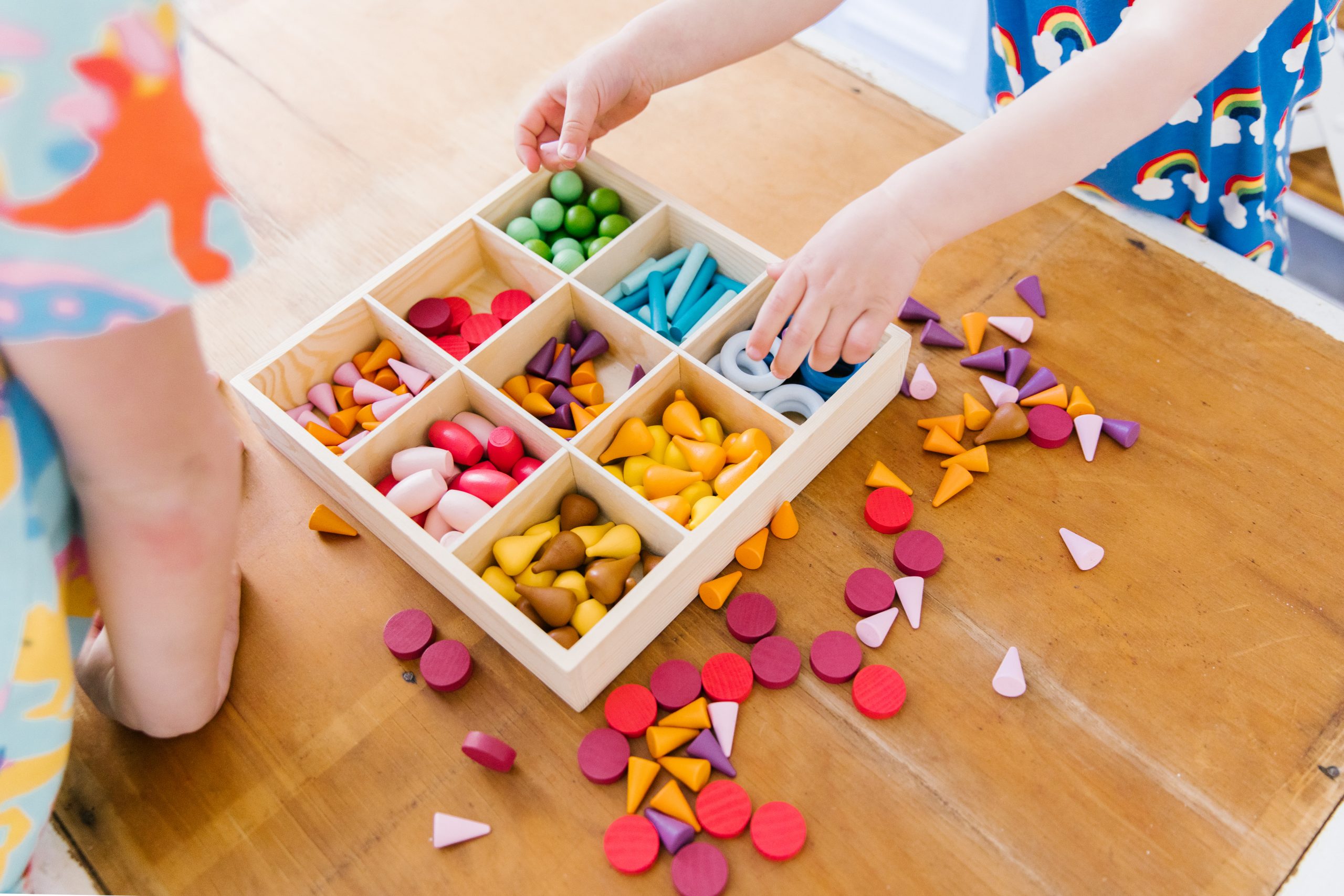
Between 12 months and 3 years, a child's hands transform from clumsy palmar grasps into nimble, precision-controlled instruments. Every time a toddler threads a wooden peg, balances a stacking arch, or pinches a puzzle knob, they are constructing the neurological pathways required for future handwriting, scissor control, and self-care skills like buttoning shirts and using cutlery.
As explored in our comprehensive parent's ultimate guide to educational toys in Australia, hands-on manipulation is the primary vehicle for toddler cognitive development. Montessori-aligned toys focus on single-concept physical challenges that invite deep concentration and natural self-correction without the distraction of batteries, screens, or artificial sounds.
Why Montessori-Aligned Toys Excel for Fine Motor Growth:
- Pincer Grasp Strengthening: Isolating the thumb and index finger to prepare hand arches for handwriting.
- Bilateral Hand Coordination: Using one hand to stabilise a board while the dominant hand manipulates a piece.
- Natural Weight & Tactile Feedback: Solid wood and silicone provide realistic sensory resistance that plastic cannot match.
- Built-In Control of Error: The child immediately sees if a peg doesn't fit the slot, encouraging independent problem-solving.
1. The Crucial Progression from Palmar to Pincer Grasp
Toddler fine motor control develops from the centre of the body outward (proximal to distal). First comes shoulder and arm control, followed by wrist stability, and finally individual finger dexterity:
- Palmar Grasp (12–18 Months): Toddlers grip objects with their whole fist. Large wooden stacking rings and chunky sensory cubes satisfy this early movement pattern.
- Pincer Grasp (18–36 Months): The child refines their grip using only the fingertips of the thumb and index finger. Pegboards, sorting slots, and small latch boards build this precision.
For children who experience tactile sensitivity or require extra proprioceptive calming during motor tasks, explore our comprehensive guide on sensory play tools for autism, ADHD, and focus.
2. Bridging Fine Motor Dexterity into STEM and Role-Play
Fine motor skills do not exist in isolation—they unlock richer, more complex forms of play across other learning domains. Once a toddler masters finger precision, they can manipulate costume props, toy kitchen tools, and tea sets in imaginative pretend play scenarios.
Similarly, finger strength and calibrated hand pressure allow preschoolers to assemble intricate gravity tracks and architectural towers without knocking them down. To see how motor dexterity evolves into foundational science, read our guide on how magnetic tiles and ball runs teach early physics to preschoolers.
Featured Montessori & Fine Motor Toys
Explore durable, non-toxic wooden developmental toys shipped Australia-wide from Nice Tribe:



3. Fine Motor Milestones by Age
Track your child's hand control milestones to offer developmentally matched toys:
| Age Group | Motor Milestone | Ideal Montessori Materials |
|---|---|---|
| Newborn to 12 Months | Whole-hand grasping, object transfer hand-to-hand | Textured silicone teethers, wooden interlocking rings, grasping rattles. |
| 12 – 24 Months | Emerging pincer grasp, 2-to-3 block tower stacking | Single-shape sorting boards, chunky wooden stacking rings, object permanence boxes. |
| 2 – 3 Years | Wrist rotation, turning knobs, threading large beads | Geometric pegboards, activity cubes with latches, knobbed puzzles. |
| 3 – 4 Years | Static tripod grasp, connecting small interlocking pieces | Magnetic building tiles, emotion matching puzzles, scissor-prep threading. |
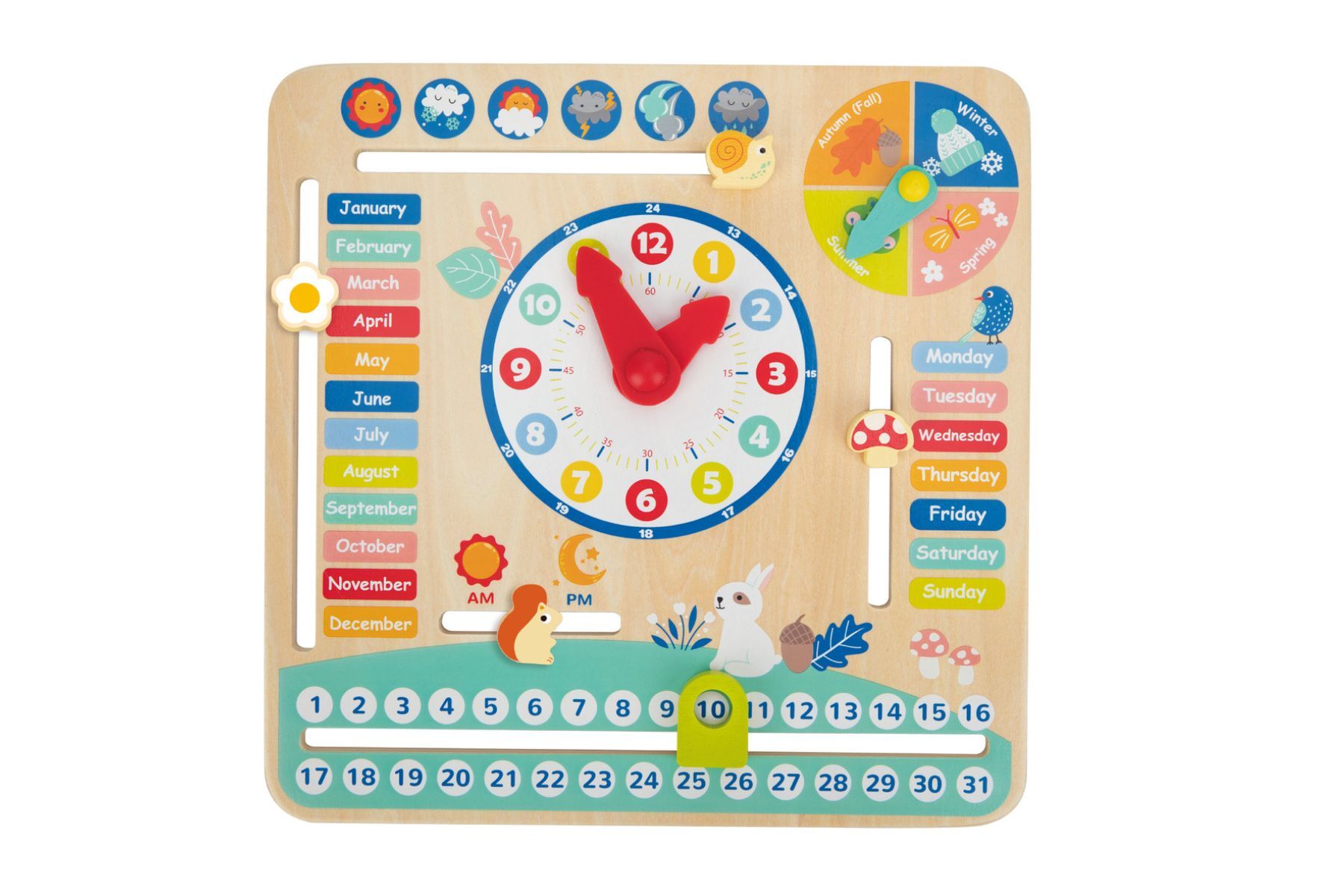
| 4 – 5 Years | Dynamic pincer precision, buttoning clothes, clock hand positioning | Magnetic ball run assemblies, analogue teaching clocks, complex sorting games. |
| 5 Years + | Mature pencil grip, tool manipulation, intricate building | Advanced STEM engineering construction packs, precise balancing structures. |
Explore Our Curated Guides & Categories
All developmental toys at Nice Tribe are tested to Australian safety standard AS/NZS ISO 8124:
- Educational Toys Australia Pillar Guide – Our complete roadmap to childhood development by age.
- Sensory Play for Focus: Choosing Tools for Autism & ADHD – Proprioceptive & calming tools.
- STEM & Engineering: How Magnetic Tiles Teach Early Physics – Gravity & spatial reasoning.
- Language & Empathy: The Science of Pretend Play – How imaginative role-play builds communication.
- Sorting & Stacking Collection – Tactile fine motor and Montessori learning boards.
- Montessori Wooden Toys – Non-toxic wooden sorting, stacking, and activity cubes.
Frequently Asked Questions (Click to Expand)
What are the best fine motor toys for 1-to-2-year-olds?
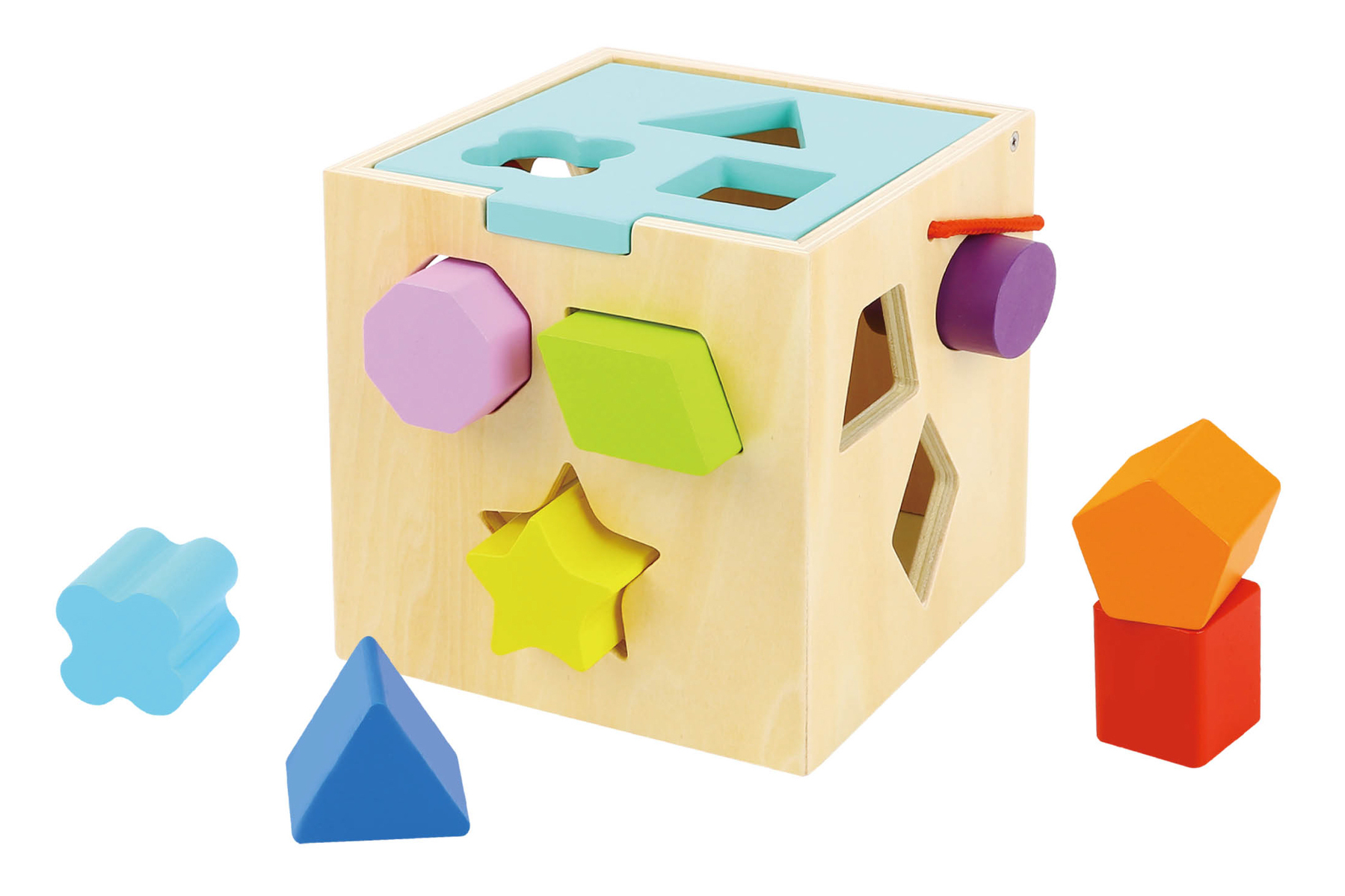
The best toys isolate finger movement and encourage the pincer grasp. Wooden shape sorters, chunky pegboards, silicone stacking cups, and knobbed wooden puzzles provide the highest developmental benefit.
Why does the Montessori philosophy prefer natural wooden toys?
Wooden toys have natural weight, texture, and grain that provide genuine sensory feedback. Plastic toys are often too light, preventing children from learning calibrated hand pressure and muscle modulation.
How do fine motor toys prepare toddlers for handwriting?
Pincer-grasp toys strengthen the intrinsic hand muscles (the web space between thumb and index finger) and build wrist stability, which are necessary to hold a pencil without hand fatigue.
What is "control of error" in Montessori toys?
Control of error means the toy provides immediate visual feedback when an action is incorrect (e.g., a square peg will not fit a circular hole). This allows the child to self-correct without adult intervention.
How do activity cubes help with bilateral hand coordination?
Activity cubes require two hands working together—one hand holds the station steady while the other slides a latch or turns a gear, coordinating both brain hemispheres.
Can fine motor toys help toddlers develop longer attention spans?
Yes. Single-concept sorting and stacking toys promote "flow state" concentration because they lack overstimulating sounds or flashing lights, allowing children to repeat an action until mastery is reached.
What signs show a toddler is ready for more advanced sorting toys?
When a child completes single-attribute sorting (e.g., simple circles) quickly and without looking, introduce multi-attribute sorting boards that combine shapes, colours, and varying peg counts.
Are the wooden finishes child-safe for mouthing toddlers?
Yes, all wooden toys at Nice Tribe are finished with non-toxic, water-based stains and comply with Australian toy safety standards (AS/NZS ISO 8124).