Why Pretend Play Is Vital for Language & Social-Emotional Growth in Early Childhood
How screen-free imaginative play, role-play props, and open-ended building toys nurture communication, empathy, and emotional regulation in Australian toddlers and preschoolers.
When a toddler feeds a favourite teddy bear, builds a veterinary clinic out of blocks, or takes your coffee order at a makeshift café, they are participating in some of the most sophisticated neurological work of early childhood. Far from being a simple distraction, dramatic play is the engine that drives language acquisition, social problem-solving, and emotional resilience.
As explored in our comprehensive parent's guide to educational toys in Australia, children learn best through self-directed, tactile discovery. Pretend play provides a safe, low-stakes environment where young minds test social scripts, process big feelings, and practice real-world communication without fear of making mistakes.
The Developmental Pillars of Pretend Play:
- Expressive & Receptive Language: Learning vocabulary through contextual narrative storytelling.
- Theory of Mind (Perspective Taking): Understanding that other people experience different thoughts, feelings, and viewpoints.
- Executive Function: Planning storylines, negotiating rules with peers, and adapting to unexpected plot twists.
- Emotional Regulation: De-escalating anxiety and processing everyday stress through safe role enactment.
1. Accelerating Speech and Conversational Turn-Taking
Language development does not happen in a vacuum. While flashcards and screen-based learning apps offer passive, rote memorisation, pretend play requires active, dynamic linguistic output. When children assume a character role, their language usage changes automatically:
- Complex Syntax & Vocabulary: Children adopt industry-specific or situational words they rarely use in everyday conversation (e.g., "temperature," "stethoscope," "receipt," "ingredients").
- Conversational Turn-Taking: Role-play requires back-and-forth dialogue. Children practice listening, waiting for a conversational cue, and formulating an appropriate verbal response.
- Narrative Cohesion: Creating a play scenario forces children to structure thoughts chronologically—establishing a problem (e.g., "The spaceship ran out of fuel!") and collaborating on a resolution.
2. Building Emotional Literacy and Cognitive Empathy
Social-emotional learning (SEL) is widely recognised by Australian early childhood educators as the single strongest predictor of smooth transition into primary school. Pretend play serves as a laboratory for developing Theory of Mind—the cognitive milestone where a child realises that others have separate feelings, motivations, and beliefs.
When acting as a parent comforting a crying doll or a firefighter rescuing a pet, children step directly into another persona's shoes. This practice transforms abstract ideas like kindness, sympathy, and patience into tangible, repeatable actions. For children who need extra help identifying their emotions during play, explore our guide on sensory play tools for autism, ADHD, and emotional regulation.
3. Combining Pretend Play with STEM Construction
Imaginative play reaches its highest cognitive potential when paired with open-ended engineering toys. Children frequently use construction sets to build the backdrop for their stories—crafting veterinary hospitals, parking garages, or futuristic rocket pads using magnetic tiles. To explore how physical construction builds early STEM thinking, read our guide on how magnetic tiles and ball runs teach early physics to preschoolers.
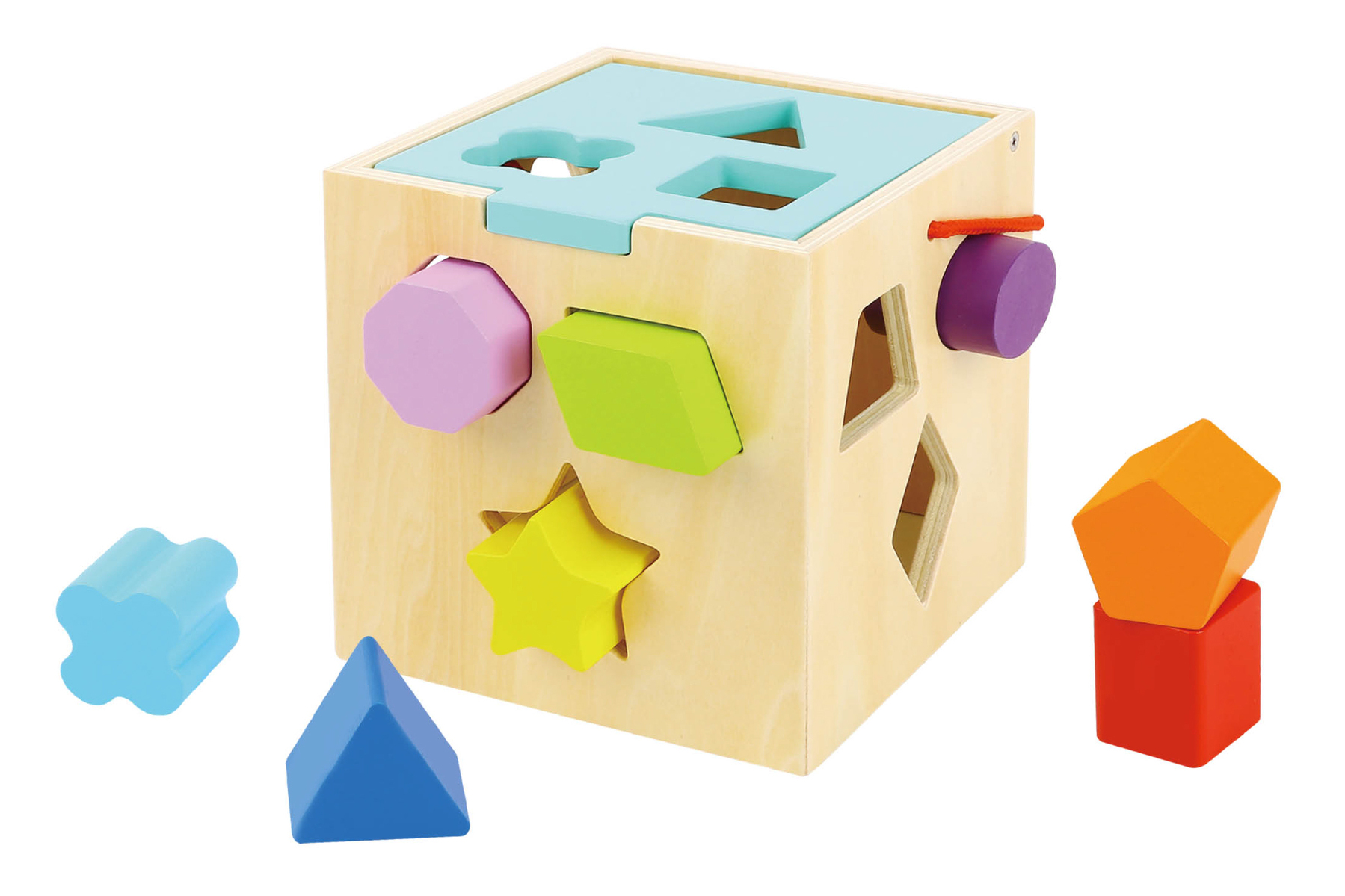
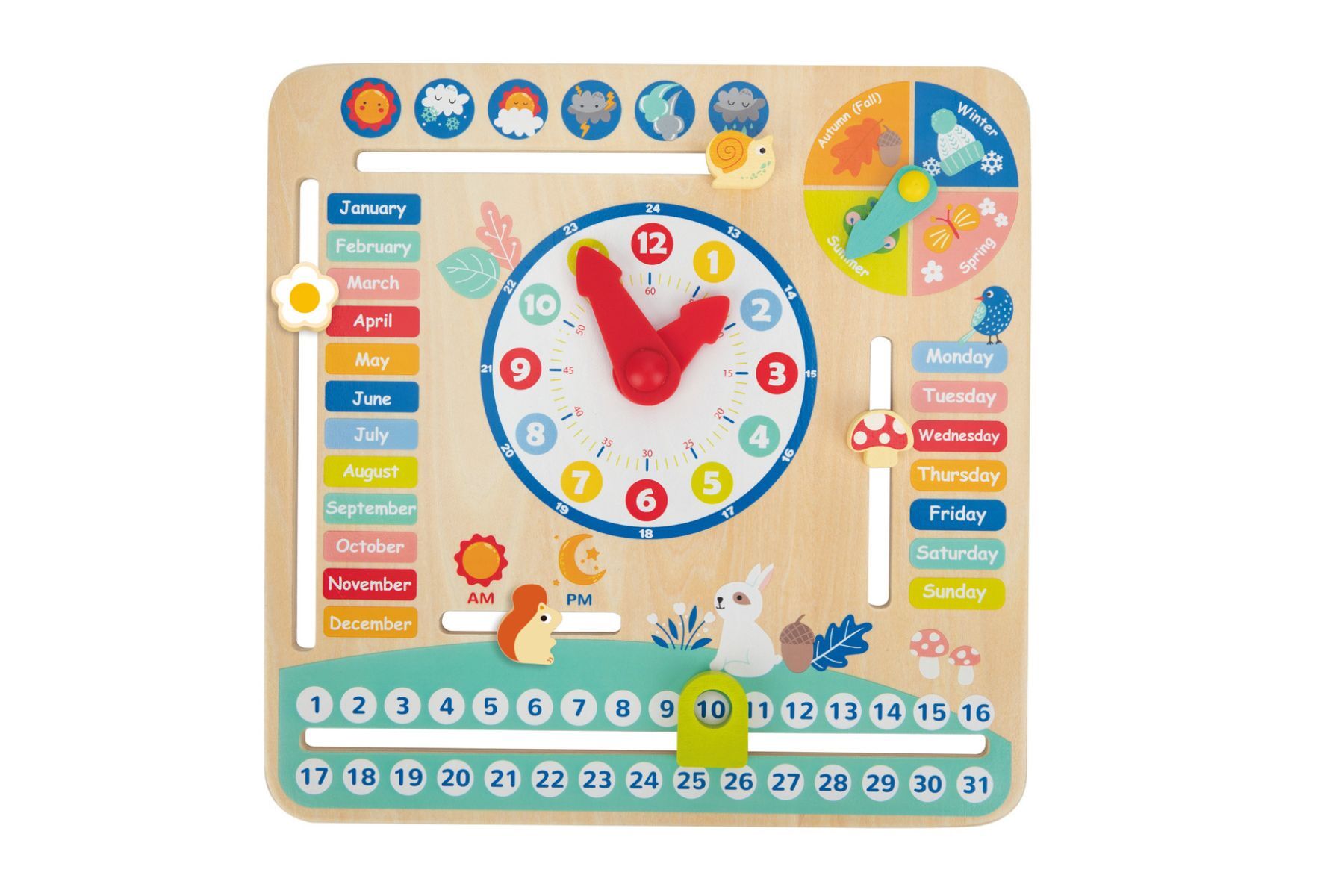
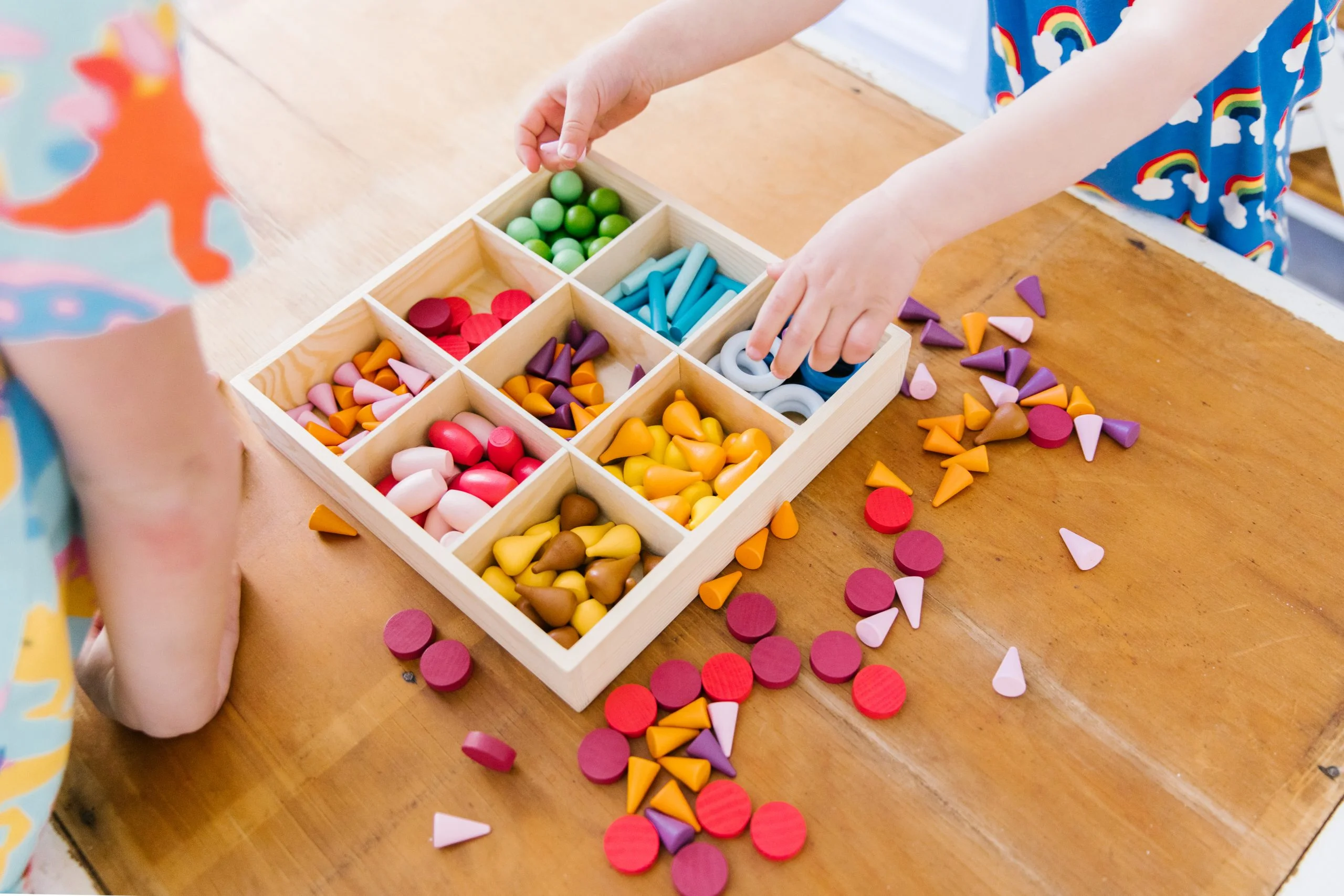
Featured Toys to Inspire Pretend Play & Learning
Discover versatile, open-ended toys tested for safety and built for endless creative replay value:


4. Age-by-Age Guide to Dramatic Play Milestones
Children naturally evolve through distinct stages of imaginative play. Understanding these stages allows parents to provide resources that support their child's current development without causing frustration.
| Age Group | Play Milestone | What It Looks Like |
|---|---|---|
| Newborn to 12 Months | Sensory Exploration | Mouthing, grasping soft objects, reacting to facial expressions and peek-a-boo games. |
| 12 – 24 Months | Imitative / Solitary Play | Pretending to drink from an empty cup, mimicking parents on the phone, tucking a doll into bed. |
| 2 – 3 Years | Parallel & Symbolic Play | Using an object as a symbol for something else (e.g., using a magnetic tile as a car or a block as a phone). |
| 3 – 4 Years | Associative & Dramatic Play | Assigning character roles (doctor, parent, chef), acting out multi-step narratives with peers. |
| 4 – 5 Years | Cooperative Complex Play | Negotiating elaborate storyline rules, combining STEM construction sets into pretend adventures. |
| 5 Years + | Collaborative World Building | Creating long-form role-play scenarios, theatre games, and rule-based fantasy worlds. |
5. How Parents Can Support Pretend Play at Home
You do not need an oversized playroom or expensive sets to nurture a child's imagination. A few intentional habits make a dramatic difference:
- Provide Open-Ended Props: Combine realistic toys (like play kitchen utensils) with neutral, open-ended items (such as cloths, boxes, and magnetic tiles). This encourages your child to define the setting rather than following rigid pre-set themes.
- Follow Your Child's Lead: Resist the urge to direct the storyline. If your child decides the tea party is happening at the bottom of the ocean, lean in and ask open questions (e.g., "What do sea creatures like to drink?").
- Allow Boredom to Spark Play: Unstructured, screen-free downtime is the greatest catalyst for creativity. When screens are put away, children naturally invent games and stories to explore.
Explore Our Curated Collections & Guides
Find Australian-tested, non-toxic educational toys and developmental guides from Nice Tribe:
- Educational Toys Australia Pillar Guide – Our full guide to childhood development by age.
- Fine Motor Milestones & Montessori Toys – Pincer grasp, sorting & dexterity.
- Sensory Play for Focus: Choosing the Right Tools for Autism & ADHD – Tactile grounding & SEL tools.
- STEM & Engineering: How Magnetic Tiles Teach Early Physics – Exploring gravity and spatial reasoning.
- Pretend Play & Role Play Range – Nurture language, social empathy, and storytelling.
- Magnetic Tiles & STEM Sets – Magnetic tiles, ball runs, and fine motor activity stations.
- Montessori Wooden Toys – Non-toxic wooden sorting, stacking, and activity cubes.
Frequently Asked Questions (Click to Expand)
Why is pretend play better than educational tablet apps?
Pretend play engages the physical senses, requires active 3D spatial manipulation, and demands original linguistic creation. While educational apps offer 2D visual stimuli, hands-on role-play builds fine motor dexterity, bilateral hand coordination, and genuine interpersonal empathy.
How does pretend play assist children with autism or speech delays?
For children with speech delays or autism spectrum disorder (ASD), dramatic play provides a low-pressure way to practice social scripts, identify emotional expressions, and learn conversational turn-taking with sensory tools like emotion tiles and tactile figurines.
Can construction toys like magnetic tiles be used for pretend play?
Yes. Children frequently combine construction sets—such as magnetic tiles—with figurines to build dollhouses, race tracks, castles, and animal sanctuaries, blending STEM physics with imaginative world-building.
Are the educational toys at Nice Tribe compliant with Australian standards?
Yes, all educational and pretend play toys distributed by Nice Tribe meet Australian mandatory safety regulations (AS/NZS ISO 8124), using non-toxic paints and durable, child-safe construction.
What is 'Theory of Mind' and how does role play teach it?
Theory of Mind is the cognitive milestone where a child recognises that others have unique thoughts, desires, and feelings. By acting as someone else during dramatic play, children actively practice empathy and perspective-taking.
How does imaginative play help prevent emotional meltdowns?
Role-playing stressful events (such as visiting the dentist or starting preschool) beforehand gives children a sense of agency and predictability. Working through scenarios in play de-escalates cortisol and builds emotional coping mechanisms.
What if my child only wants to play the same role repeatedly?
Repetitive role-play is completely normal and healthy. It means your child is mastering a specific concept, emotion, or social script until they feel 100% confident, after which they naturally transition to new scenarios.
Can pretend play help with school readiness for 4 to 5-year-olds?
Absolutely. Pretend play teaches essential classroom skills including conversational turn-taking, following multi-step peer instructions, self-regulation during disagreements, and cooperative problem-solving.