Sensory Play for Focus: Choosing the Right Tools for Autism & ADHD
How targeted tactile resources, proprioceptive grounding, and visual emotion tools help neurodivergent children de-escalate anxiety and improve concentration.
For children with Autism Spectrum Disorder (ASD), Attention Deficit Hyperactivity Disorder (ADHD), and sensory processing sensitivities, the nervous system processes everyday environments in unique ways. Bright classroom lights, loud noises, or long periods of seated stillness can lead to sensory overload, restlessness, or emotional fatigue.
As detailed in our parent's ultimate guide to educational toys in Australia, sensory integration through play provides a biological pathway to calm the central nervous system. Rather than attempting to suppress physical energy, targeted sensory tools provide the tactile, vestibular, and proprioceptive inputs children need to self-regulate and focus.
How Sensory Play Supports Neurodivergent Kids:
- Proprioceptive & Tactile Grounding: Deep pressure and textured surfaces send calming signals directly to the brainstem.
- Channelled Fidgeting: Repetitive mechanical movements satisfy the brain's need for stimulation so working memory can focus on learning tasks.
- Emotional Vocabulary: Visual feelings tools bridge the gap when verbalising complex emotions during stress is difficult.
- Predictable Cause-and-Effect: Tactile sorting and construction offer soothing, repetitive structures that reduce situational anxiety.
1. Understanding Sensory Seeking vs. Sensory Avoiding
Every neurodivergent child possesses a distinct sensory profile. Choosing the right learning tools starts with observing whether your child is seeking additional stimulation or attempting to protect themselves from overwhelm:
- Sensory Seekers: Benefit from high-resistance tactile toys, weighted elements, and mechanical challenges like gears, latches, and clicking ball runs.
- Sensory Avoiders: Thrive with quiet, predictable, screen-free resources such as smooth wooden puzzles, soft sorting boards, and visual emotion recognition cards.
2. Integrating Sensory Play with STEM and Role-Play
Sensory integration works best when it is embedded into everyday joyful activities. For example, children who struggle with emotional overwhelm during social interactions find immense comfort in structured pretend play and role-play activities, which offer a safe setting to rehearse social scenarios.
Similarly, the soothing, rhythmic repetition of rolling spheres down a 3D magnetic track combines proprioceptive satisfaction with foundational science. To see how structural play builds cognitive confidence, explore our guide on how magnetic tiles and ball runs teach early physics to preschoolers.
Featured Sensory & Calming Tools
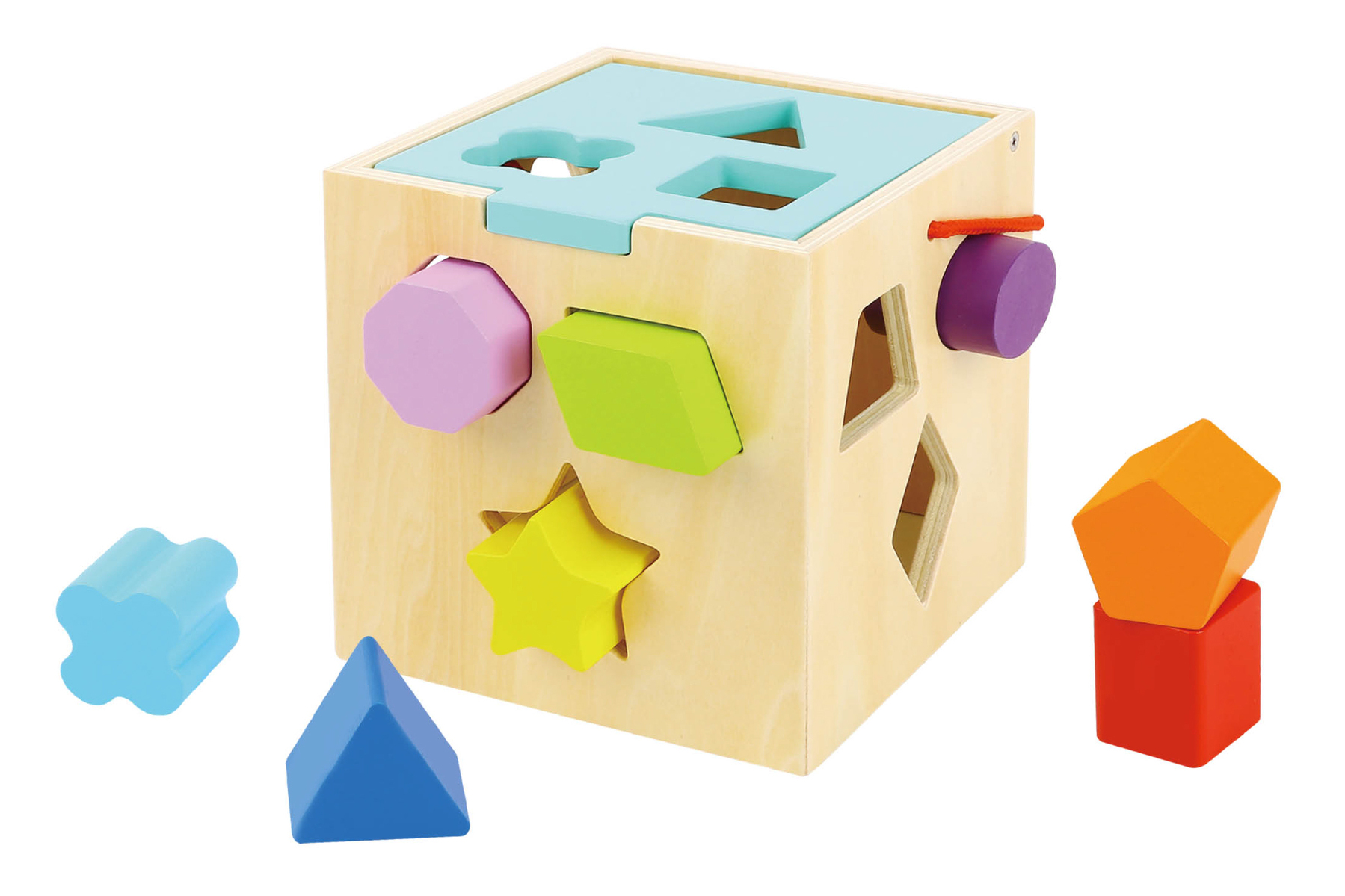
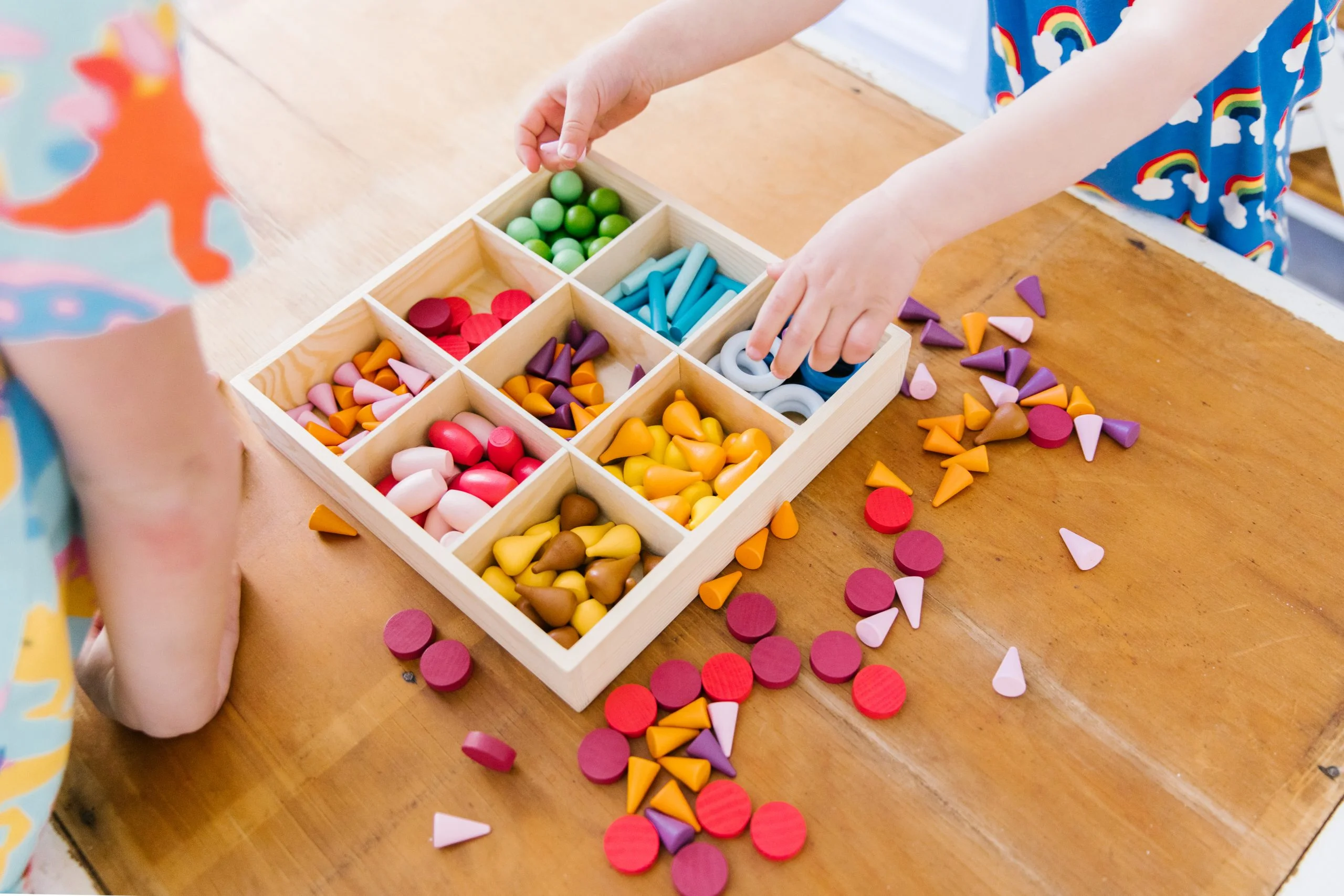
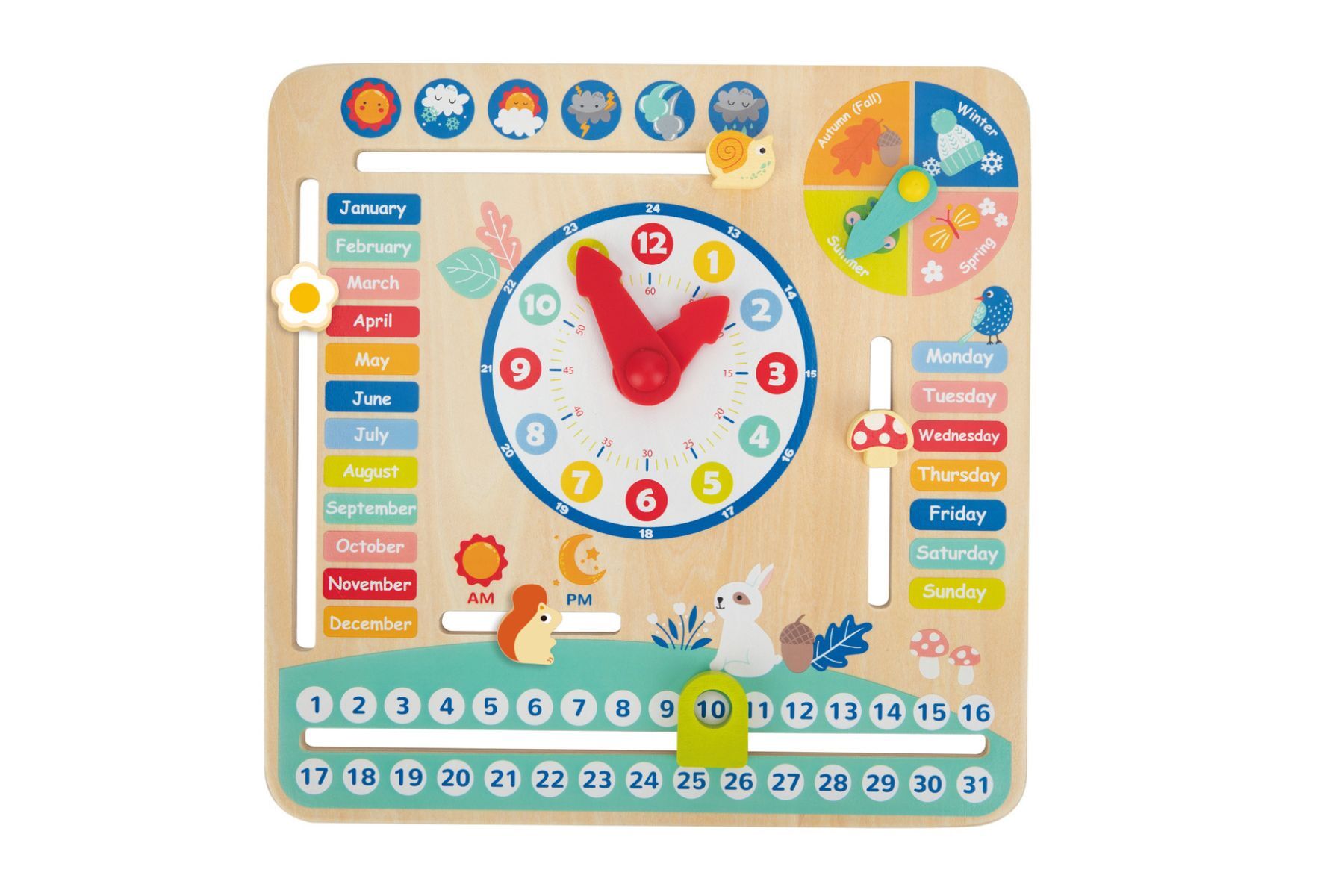
Explore evidence-based, child-safe developmental tools shipped Australia-wide from Nice Tribe:



3. Designing a Calming Sensory Nook at Home
Creating a dedicated space for self-regulation does not require remodelling a room. A simple corner with intentional sensory boundaries helps children reset independently:
- Reduce Visual Clutter: Store toys in neutral, opaque bins rather than transparent boxes to minimise visual stimulation.
- Provide Tactile Variety: Keep a basket with contrasting textures—smooth wooden sorting pieces, tactile silicone balls, and clicking magnetic tiles.
- Establish a Feelings Check-In Area: Place emotion puzzles or feelings charts at eye level so children can point to how they feel when words feel overwhelming.
4. Sensory Support Milestones by Age
How children process sensory feedback changes across developmental stages:
| Age Group | Sensory Milestone | Recommended Support Tools |
|---|---|---|
| Newborn to 12 Months | Oral & Tactile Exploration | Silicone teething rings, textured soft balls, gentle acoustic wooden rattles. |
| 12 – 24 Months | Proprioceptive Weight & Fit | Wooden shape sorters, chunky peg boards, weighted stacking rings. |
| 2 – 3 Years | Repetitive Motion & Focus | Activity cubes with latches, textured stacking blocks, simple feelings cards. |
| 3 – 4 Years | Visual Tracking & Emotion Labeling | Feelings and emotion puzzles, magnetic ball runs, role-play props. |
| 4 – 5 Years | Complex Fidgeting & Transition Calm | Magnetic tile engineering sets, analogue visual clocks, balancing games. |
| 5 Years + | Self-Directed Calming & Deep Focus | Advanced STEM ball run construction, time planning routines, strategy puzzles. |
Explore Our Curated Guides & Categories
All toys at Nice Tribe are safety-tested to Australian standards (AS/NZS ISO 8124) and shipped nationwide:
- Educational Toys Australia Pillar Guide – Our full roadmap to childhood development by age.
- Fine Motor Milestones & Montessori Toys – Pincer grasp, sorting & dexterity.
- STEM & Engineering: How Magnetic Tiles Teach Early Physics – Gravity & spatial reasoning.
- Language & Empathy: The Science of Pretend Play – How imaginative role-play builds communication.
- Sorting & Stacking Collection – Tactile fine motor and sensory learning boards.
- Montessori Wooden Toys – Non-toxic wooden sorting, stacking, and activity cubes.
Frequently Asked Questions (Click to Expand)
How do sensory toys help children with ADHD focus in class?
Children with ADHD experience low natural baseline dopamine levels. Quiet tactile fidgets and activity stations provide low-level sensory input that satisfies the brain's need for movement, allowing working memory to engage with instructions.
What is proprioceptive input, and why is it calming for autism?
Proprioception is the body's awareness of joints, muscles, and position in space. Heavy wooden sorting toys, latch boards, and tactile construction sets stimulate joint receptors, releasing calming serotonin and organising the nervous system.
How can emotion puzzles assist non-verbal children?
When children experience overwhelm, verbal communication centres in the brain can shut down. Tactile feelings puzzles offer a visual, concrete way for non-verbal or distressed kids to show caregivers whether they feel angry, tired, anxious, or overwhelmed.
Why are screen-free toys better than sensory apps?
Screen apps stimulate visual and auditory senses only, often causing overstimulation. Physical sensory toys engage tactile touch, muscle resistance, bilateral hand coordination, and spatial depth without digital fatigue.
Can sensory toys help prevent transition meltdowns?
Yes. Pairing analogue teaching clocks (which provide visual predictability) with calming sensory items gives children predictable cues before switching activities, reducing resistance and panic during daily routine changes.
Are sensory toys at Nice Tribe suitable for NDIS self-managed participants?
Many NDIS self-managed and plan-managed participants utilise sensory, fine motor, and social-emotional learning toys from Nice Tribe as part of their Core or Capacity Building budgets when aligned with their child's plan goals.
How do I know if a sensory toy is overstimulating my child?
If a child displays increased agitation, covers their ears, avoids eye contact, or throws items, the toy may be too intense. Shift to single-attribute wooden sorting boards or calming magnetic ball runs to reset.
Are these sensory materials compliant with Australian safety standards?
Yes, all educational and sensory toys distributed by Nice Tribe comply with Australian mandatory safety standard AS/NZS ISO 8124, using non-toxic paints, smooth splinter-free wood, and secure component enclosures.